

History of the Seventh-day Adventist Church
1. Early Beginnings and Millerite Movement (1830s-1840s):
The roots of the Seventh-day Adventist Church can be traced back to the early 19th century with the Millerite movement. William Miller, a Baptist preacher from New York, became well-known for his prediction that Christ would return to Earth on October 22, 1844. Miller’s calculations were based on his interpretation of the Book of Daniel, particularly the prophecy of the 2300 days. His followers, known as Millerites, anticipated the Second Coming with great fervor.
When the prophesied date passed without the expected return of Christ, an event known as the “Great Disappointment” occurred. Many Millerites were disillusioned, and the movement fragmented. However, some adherents continued to believe that while the date was correct, the event was misunderstood. They believed that the date marked the beginning of a new phase in Christ’s ministry, specifically the “investigative judgment” in heaven.
2. Formation of the Church (1844-1863):
Following the Great Disappointment, a core group of Millerite believers, including James White, Ellen G. White, and Joseph Bates, began to study the Bible more deeply and formulated new interpretations of the prophetic timeline. They concluded that the Sabbath should be observed on the seventh day of the week (Saturday) rather than Sunday. This conclusion became one of the central tenets of their new faith.
The group, who became known as Seventh-day Adventists, began to formalize their beliefs and practices. In 1863, the General Conference of the Seventh-day Adventist Church was officially organized in Battle Creek, Michigan. The church was characterized by its distinctive doctrines, including the observance of the Saturday Sabbath, the belief in the imminent Second Coming of Christ, and the writings of Ellen G. White, who was regarded as a prophetess and whose visions and writings greatly influenced church doctrine.
3. Establishment and Expansion (1860s-1900s):
In the late 19th century, the Seventh-day Adventist Church undertook significant efforts to establish institutions and spread its message. Some notable developments during this period include:
- Publishing: The church established the Review and Herald Publishing Association, which played a crucial role in disseminating Adventist literature and teachings. This helped in spreading the church’s message both within the United States and internationally.
- Education: The church founded its first educational institution, Battle Creek College (now Andrews University), in 1874. This was followed by the establishment of numerous other schools and colleges, which became a significant part of the church’s mission to provide both secular and religious education.
- Healthcare: The church also began to focus on health and wellness. In 1866, the church founded the Western Health Reform Institute in Battle Creek, which later became Battle Creek Sanitarium. This institution was pioneering in promoting holistic health practices and played a key role in the church’s emphasis on healthful living.
4. 20th Century Developments:
The Seventh-day Adventist Church continued to grow and diversify its activities throughout the 20th century. Significant developments include:
- Global Expansion: The church expanded its mission to countries around the world. By the early 20th century, Seventh-day Adventist missions were active in many parts of Africa, Asia, and Latin America.
- Educational and Medical Institutions: The church continued to develop its network of educational and medical institutions. Notable institutions include Loma Linda University and its associated medical center in California, and many other hospitals and clinics worldwide.
- Interfaith Relations and Social Issues: The church began to engage more actively in interfaith dialogue and address social issues. It became involved in advocating for healthful living and lifestyle choices, including vegetarianism and a balanced diet.
5. Modern Era (2000s-Present):
In the 21st century, the Seventh-day Adventist Church remains a significant global denomination. Its activities and missions include:
- Continued Global Presence: The church maintains a presence in over 200 countries, with a significant membership base and numerous local congregations.
- Educational and Medical Endeavors: The church operates one of the largest Protestant educational systems, including universities, colleges, and secondary schools. Its health care network continues to expand, providing medical services around the world.
- Focus on Health and Wellness: The church promotes its health message through various initiatives, including health seminars, lifestyle centers, and public health campaigns.
- Social Justice and Humanitarian Work: The church is involved in various humanitarian efforts, including disaster relief, community development, and advocacy for human rights.
Throughout its history, the Seventh-day Adventist Church has maintained a commitment to its core beliefs, including the observance of the Sabbath on Saturday, the expectation of Christ’s imminent return, and a holistic approach to health and well-being.
History of MKUSDA Church
Early Beginnings and Founding
The origins of MKUSDA Church trace back to 2010, when a small group of fewer than five individuals gathered for worship. This modest start laid the groundwork for what would eventually become a flourishing congregation. The church was officially organized in May 2017, under the leadership of Pastor Gathurima George. This formal establishment marked a significant milestone, setting the stage for the church’s subsequent growth and community impact.
Growth and Development
From its humble beginnings, MKUSDA Church has grown remarkably. Starting with a small group, the church has expanded to a vibrant congregation of approximately 1,000 members. This growth reflects the church’s dedication to its mission and its ability to inspire and connect with a diverse range of people.
Mission Work
Mission work has been a central focus of MKUSDA Church since 2013. Initially, the church operated with just one mission site, working diligently to make a difference in that area. Over the years, the scope of the church’s mission efforts has expanded significantly. Today, MKUSDA Church conducts missions across six different sites, reflecting its growing influence and commitment to serving communities in need. These mission activities have included providing humanitarian aid, educational support, and community development projects, both locally and internationally.
Charity Initiatives
Charity has always been at the core of MKUSDA Church’s activities. The church has organized numerous charitable events and programs designed to alleviate poverty and provide support to those in need. Initiatives such as food drives, clothing donations, and financial assistance have been instrumental in making a tangible difference in the lives of individuals and families facing hardship.
Outreach Ministries and Visitations
Outreach ministries and visitations have played a vital role in the church’s mission to engage with the community. MKUSDA Church has organized a range of programs aimed at reaching people from various backgrounds, including the elderly, the sick, and the marginalized. These outreach efforts have strengthened the church’s connections with the community and offered valuable spiritual and emotional support.
Nurturing Church Members
The church places a strong emphasis on nurturing its members, providing programs and resources for spiritual growth and personal development. Bible studies, prayer groups, and mentorship programs are integral parts of this effort, helping members deepen their faith and enhance their personal lives. The church’s leadership is dedicated to creating an environment where members can thrive spiritually and contribute to the church’s mission.
Strengthening Relationships and Social Ties
Building and maintaining strong relationships within the church community has been a key priority for MKUSDA Church. The church has organized various social events, fellowship gatherings, and group activities to foster a sense of unity and belonging among members. These efforts have helped create a supportive network where members can connect, share experiences, and encourage one another.
Enhancing Spiritual Growth
Enhancing spiritual growth remains a central aspect of the church’s mission. MKUSDA Church offers a variety of programs and services designed to support the spiritual development of its members. Regular worship services, educational seminars, and spiritual retreats provide opportunities for individuals to deepen their faith and experience personal transformation. The church’s ongoing commitment to spiritual growth is reflected in its continuous efforts to provide meaningful and enriching experiences for its congregation.
Looking Ahead
As MKUSDA Church continues to grow and evolve, it remains dedicated to its core mission of service, support, and spiritual development. With a strong foundation built on the principles established by Pastor Gathurima George and significant growth from its early days, the church is well-positioned to continue its impactful work. The expansion of mission work, charity initiatives, outreach efforts, and nurturing programs will guide the church’s efforts as it strives to fulfill its vision and purpose in the years to come.
MKUSDA Church has grown from a small group of worshippers in 2010 to a thriving congregation of approximately 1,000 members. The church’s commitment to mission work, charity, outreach, nurturing, and spiritual growth has had a profound impact on its community and beyond, embodying its mission of faith, service, and growth.

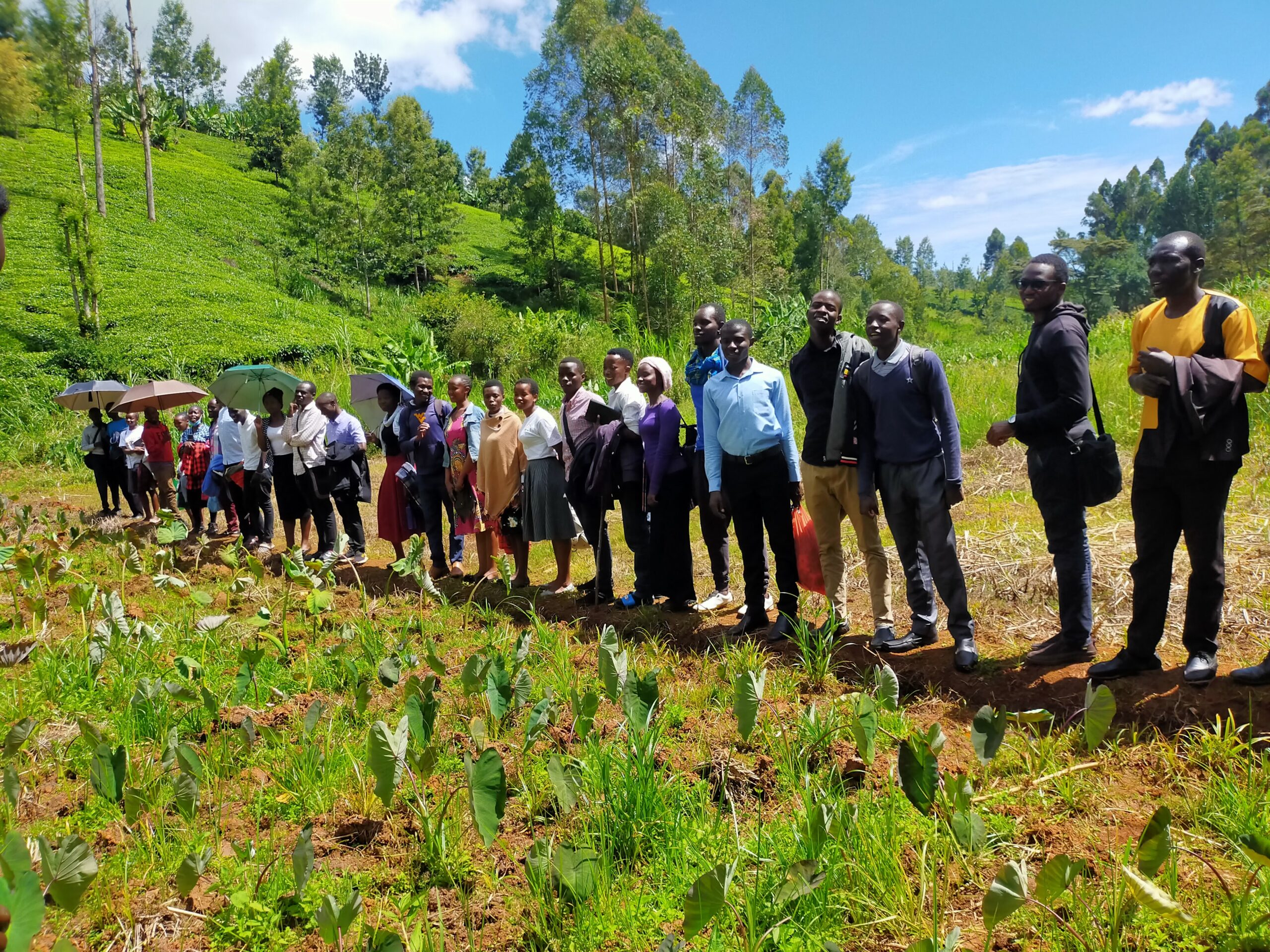
Mission Work
A church’s role in mission work is to extend compassion, provide humanitarian aid, and share spiritual guidance, fostering community growth and global outreach while inspiring members to actively serve and support those in need.
Relationships
Maintaining strong relationships and unity within a church fosters a supportive community, encourages mutual growth, and enhances collective faith, creating a harmonious environment where members can thrive together spiritually and personally.
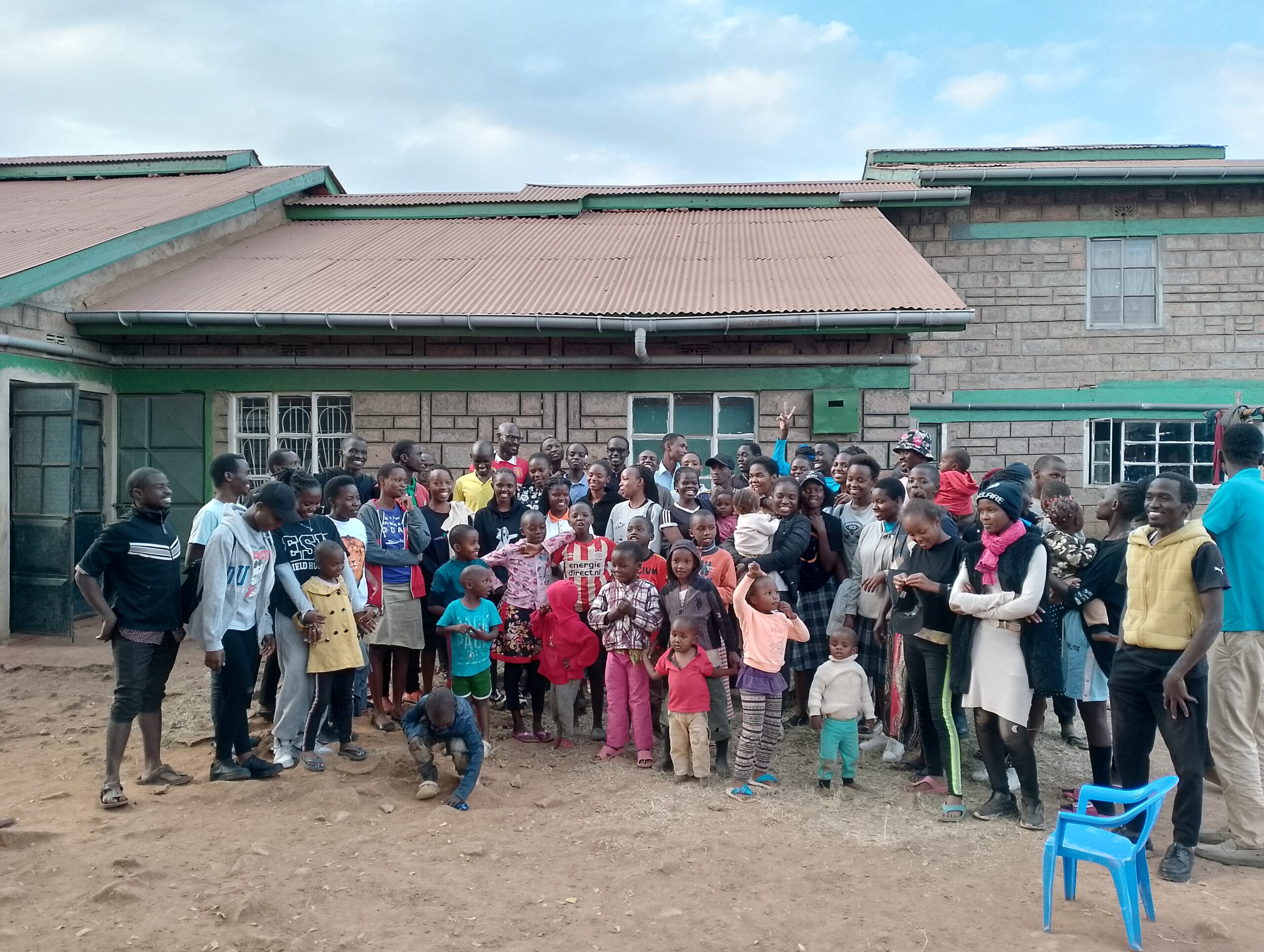
Nurture and Retention
Nurturing in a church supports spiritual growth and personal development, providing guidance, education, and care that strengthens faith, builds character, and helps members live out their beliefs effectively.